ADMISSIONS OPEN 2026
New

Course Overview

Comprehensive program designed to create industry-ready Electrical Engineers

The B.Tech in Electrical Engineering (with optional specialization in Renewable Energy Technology or E-Vehicle Technology) at BSDU is a four-year undergraduate program that builds strong foundations in electrical machines, power electronics, energy systems, and electric mobility technologies.

Students develop the ability to analyse, design, implement, and manage electrical and energy systems including renewable energy generation and storage systems, EV powertrains, charging infrastructure, smart grids, and industrial electrical systems. The program integrates digital tools, simulation, modelling, testing, and applied research methodologies.

Emphasis is placed on performance, efficiency, safety, sustainability, and innovation in modern electrical, energy, and e-mobility systems through laboratory work, industry projects, and hands-on training.

Key Highlights

  • Strong foundation in Electrical & Energy Systems
  • Specialization in Renewable Energy / E-Vehicle Technology
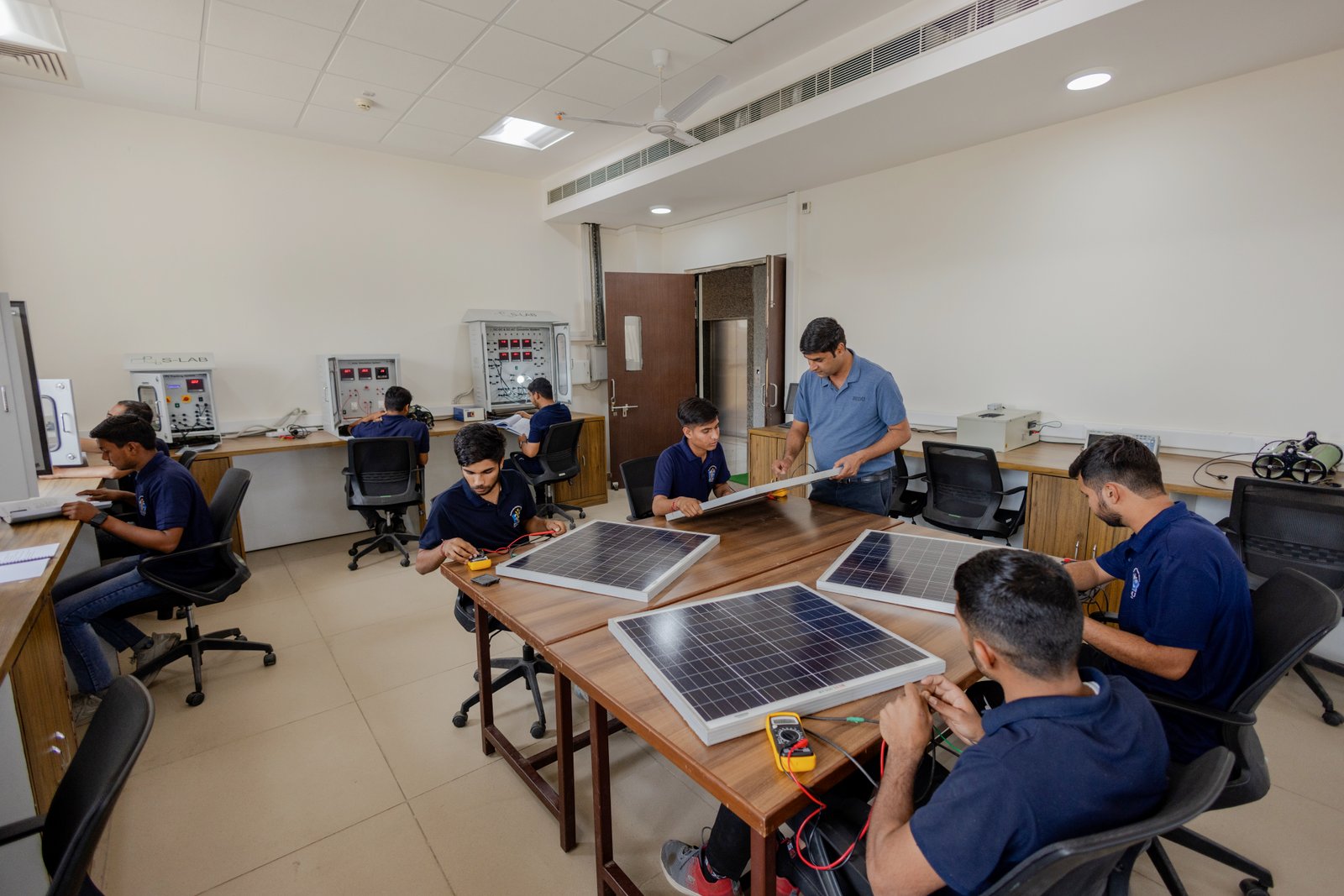
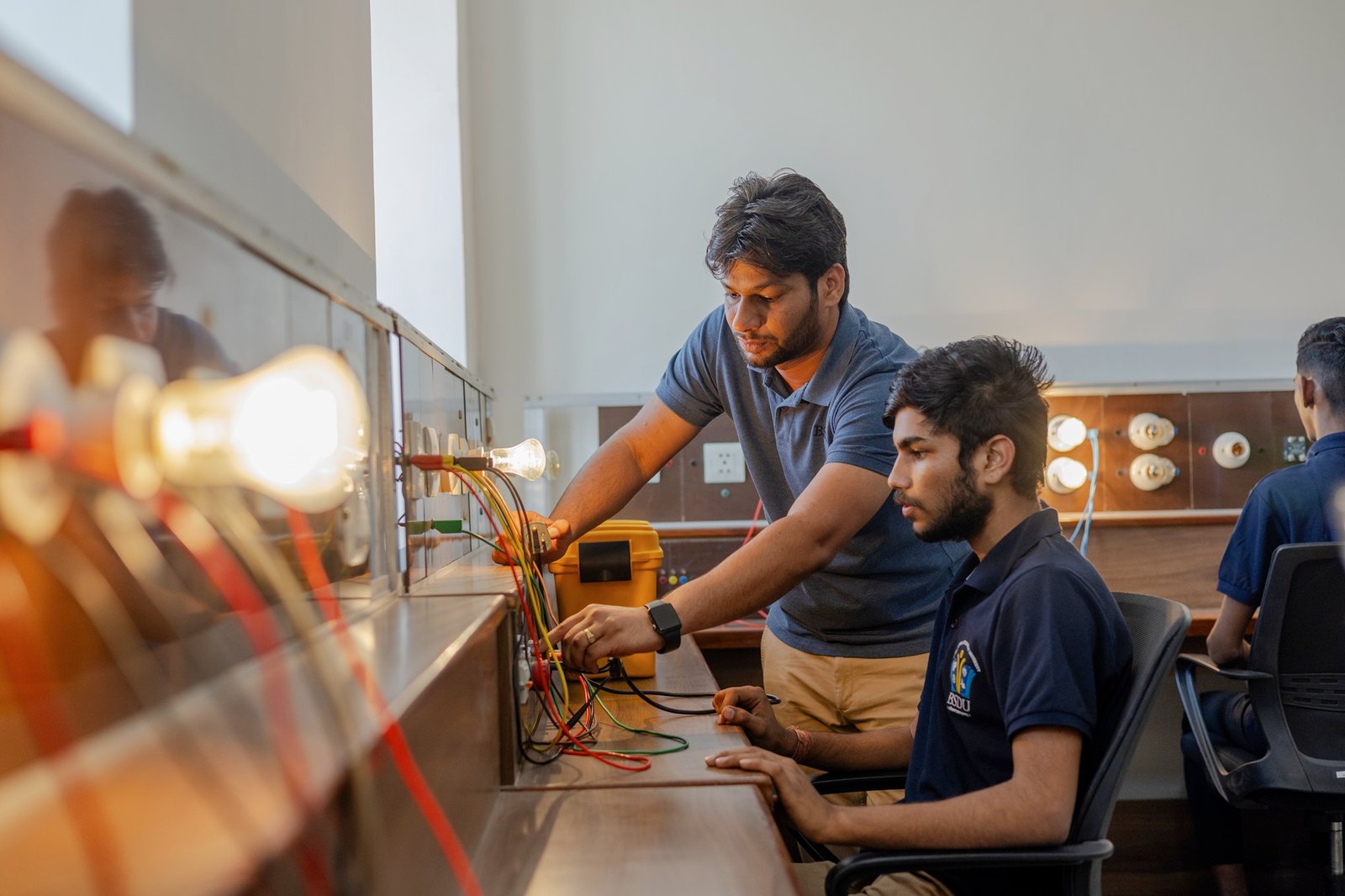
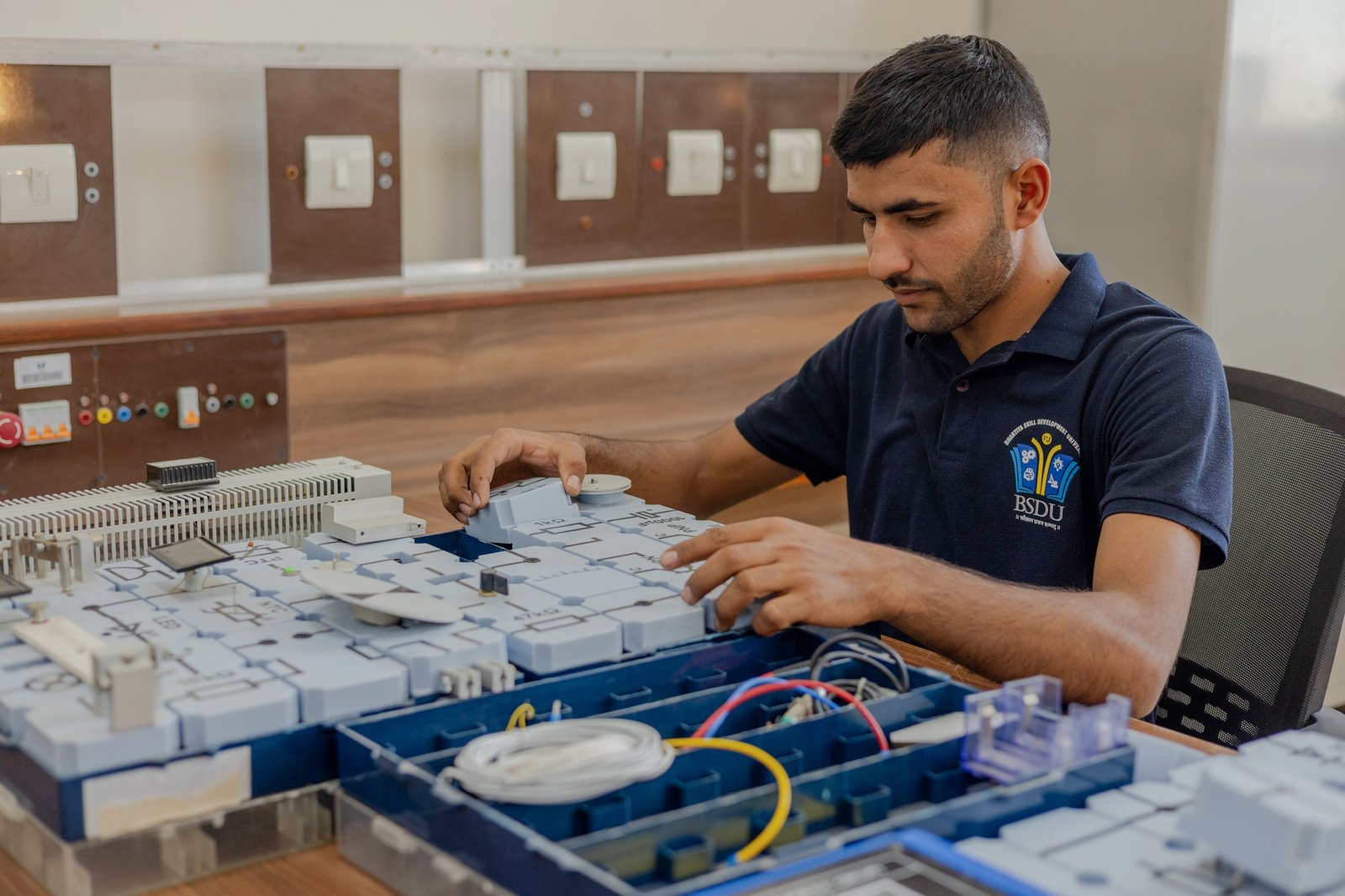
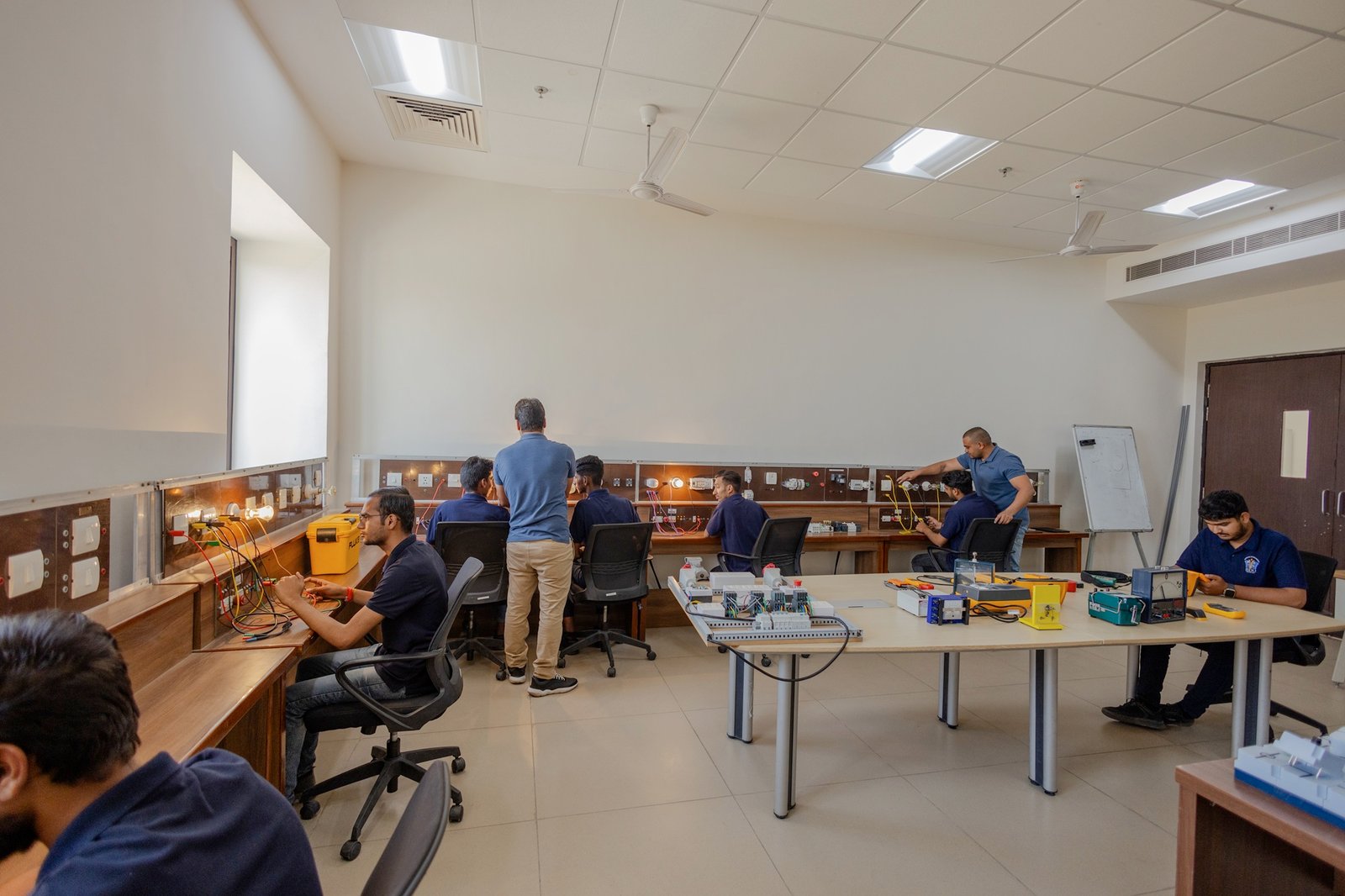
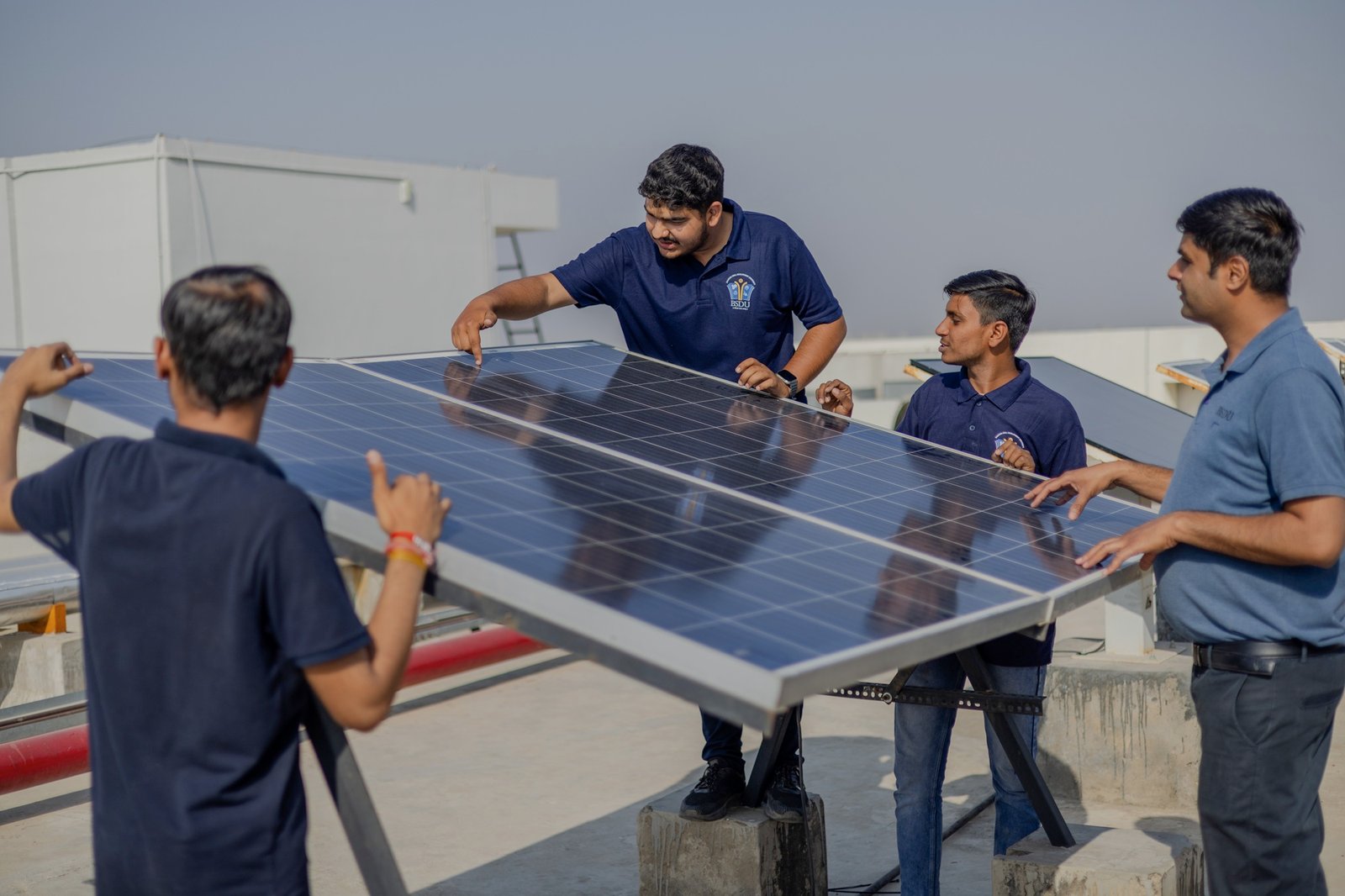
  • Hands-on labs, testing & simulation exposure
  • Industry projects & real-world problem solving
  • Focus on efficiency, safety & sustainability

Our Facilities

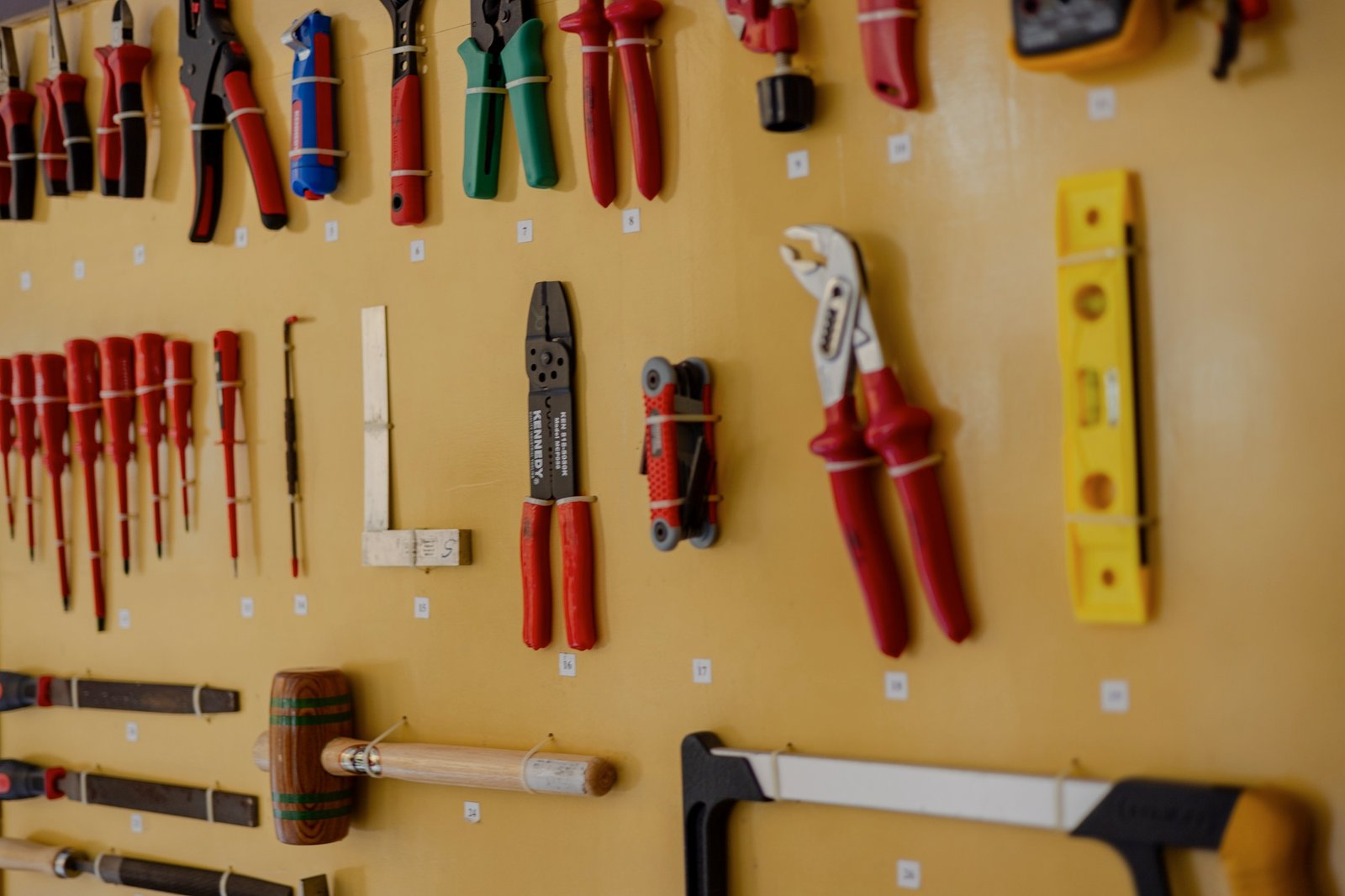
State-of-the-art infrastructure for hands-on learning

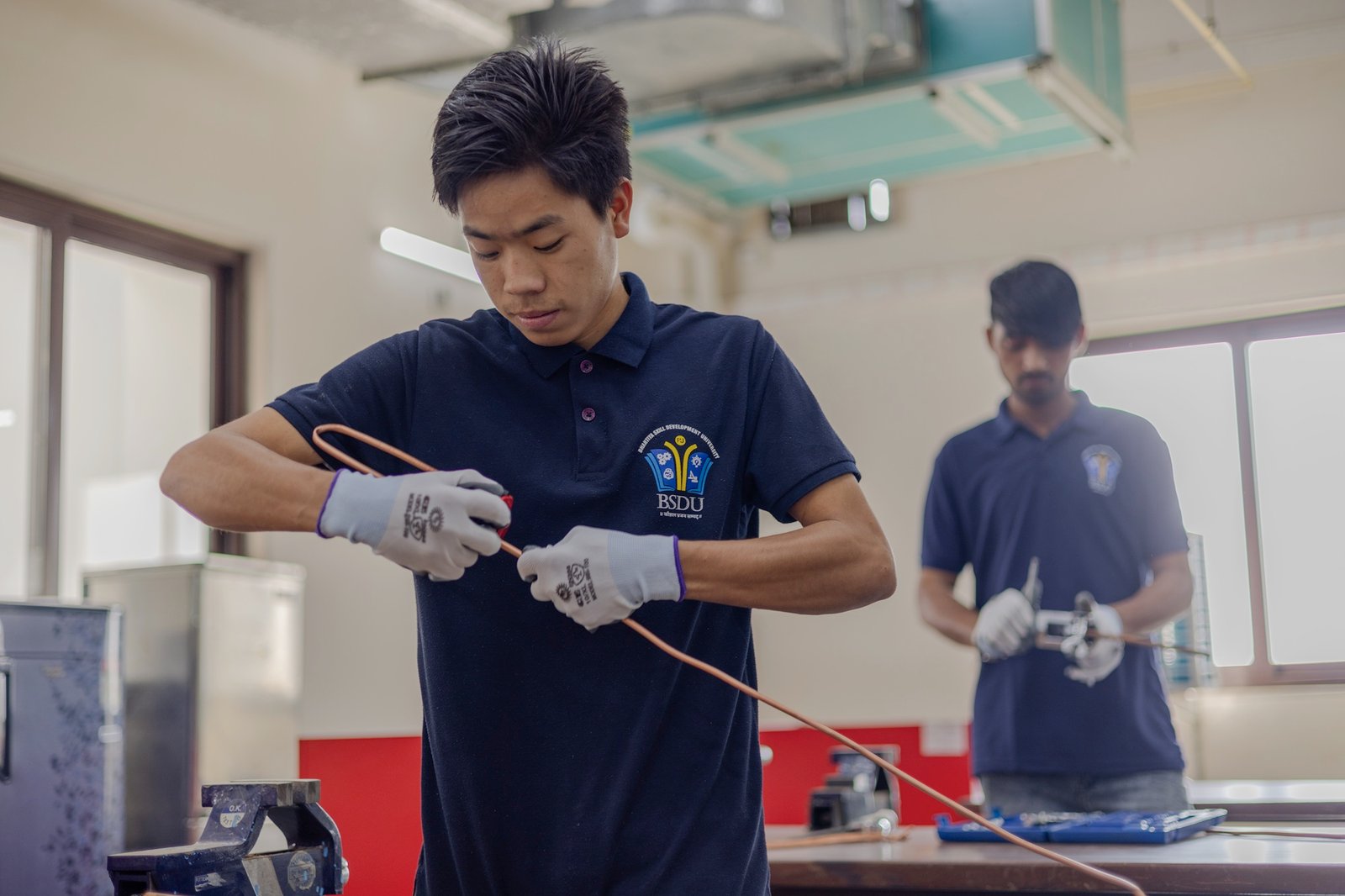
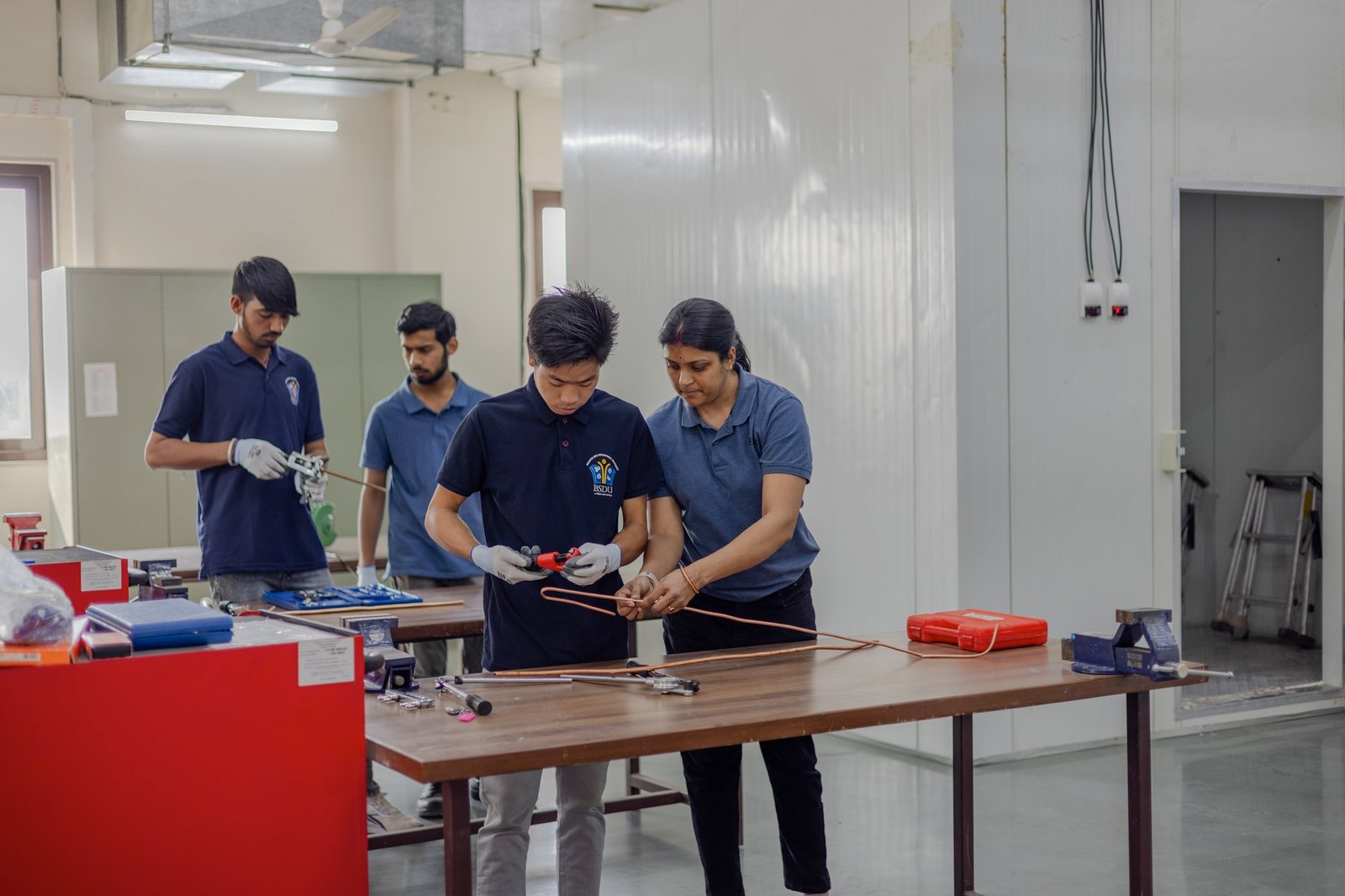
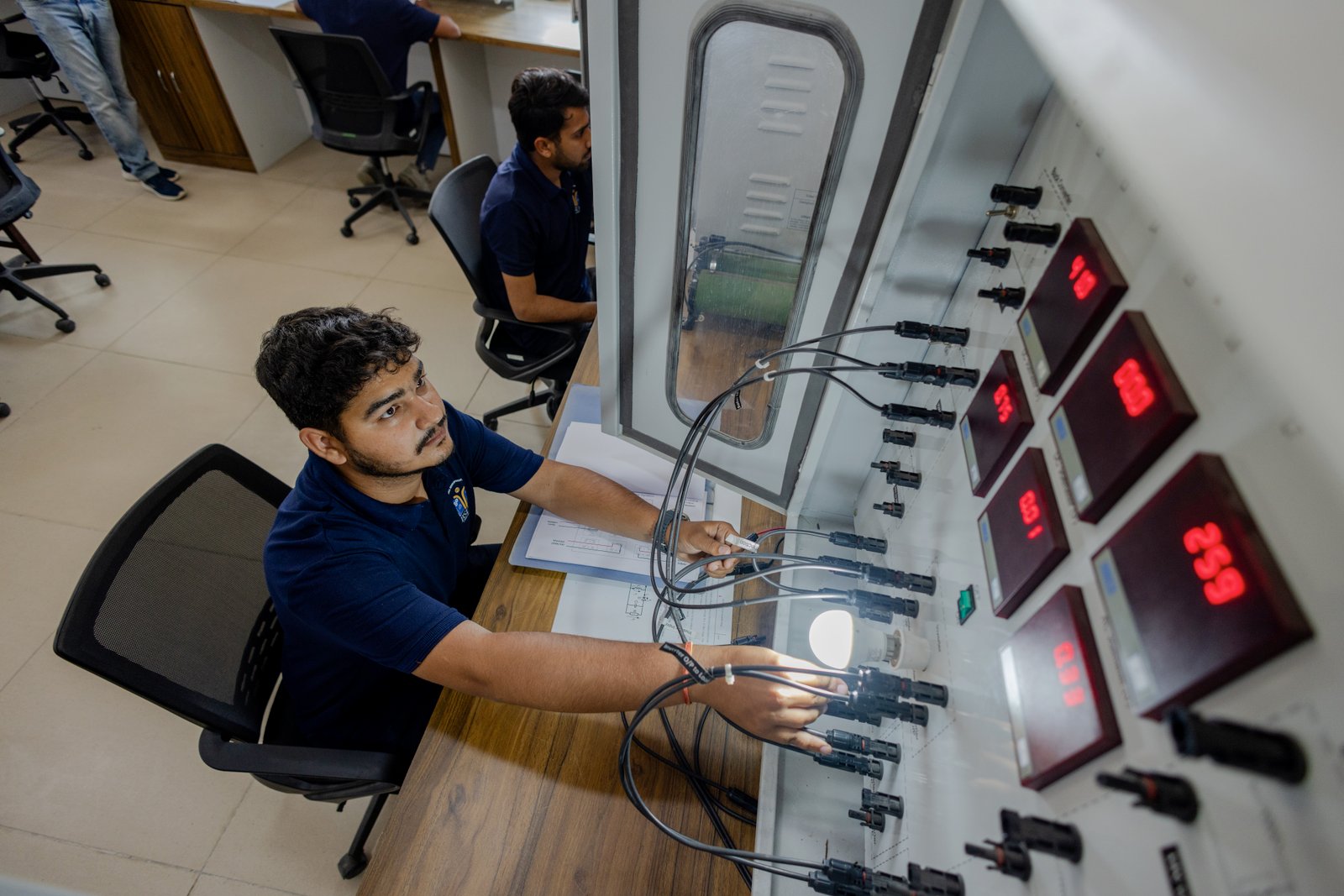
Modern Laboratory
Advanced Labs
Cutting-edge equipment
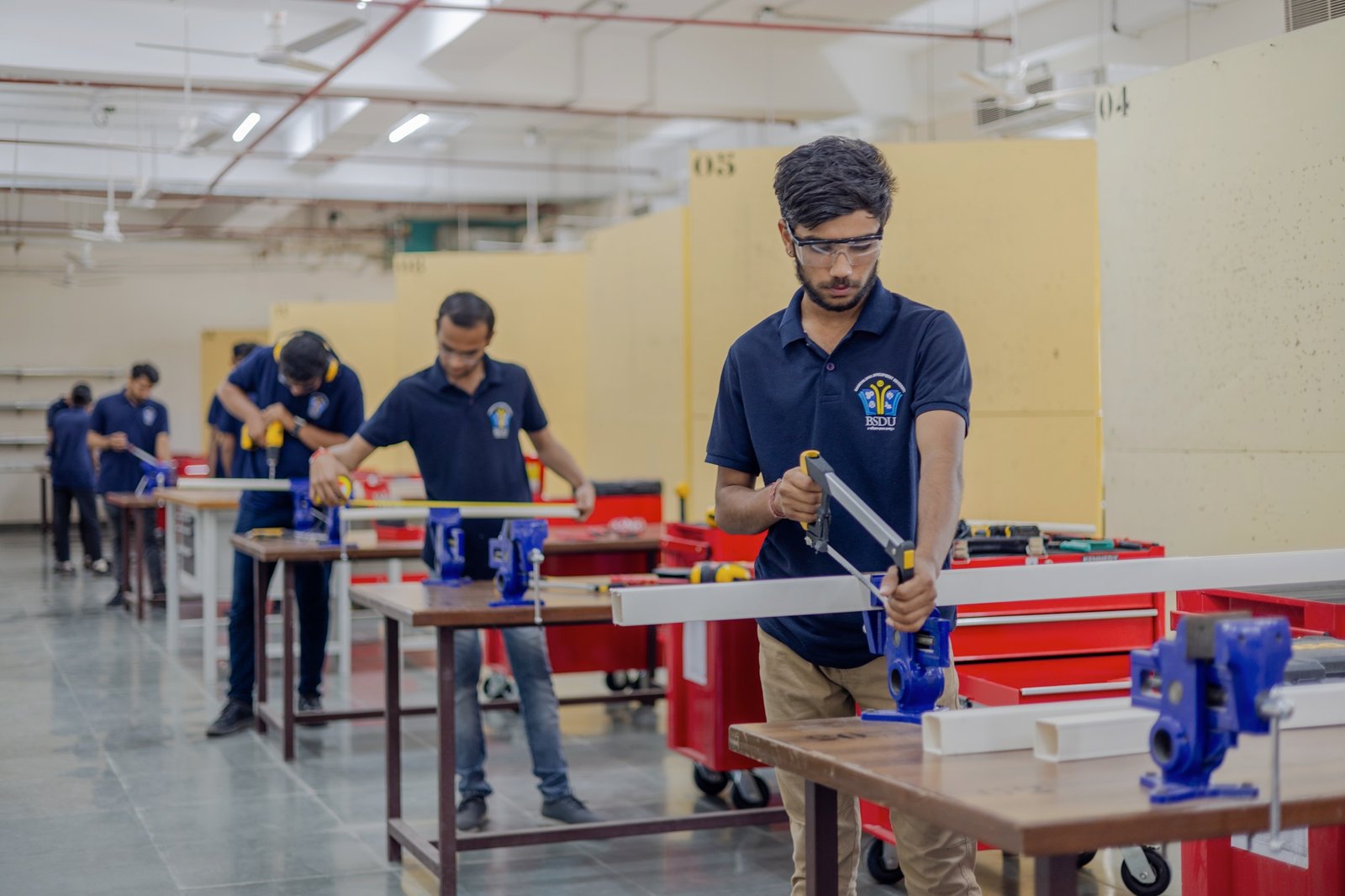
Workshop
Skill Workshops
Hands-on training
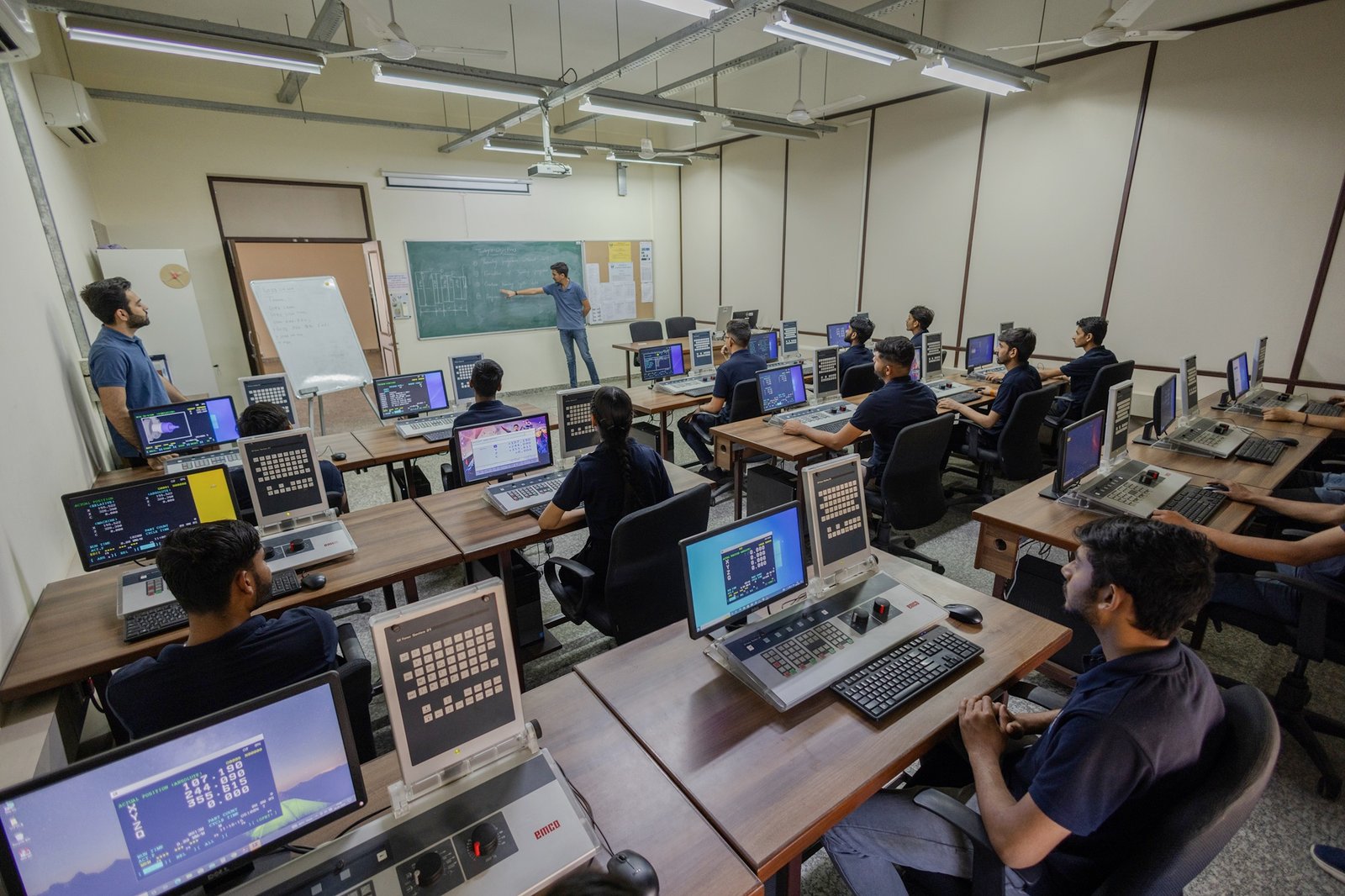
Smart Classroom
Smart Classrooms
Digital learning environment
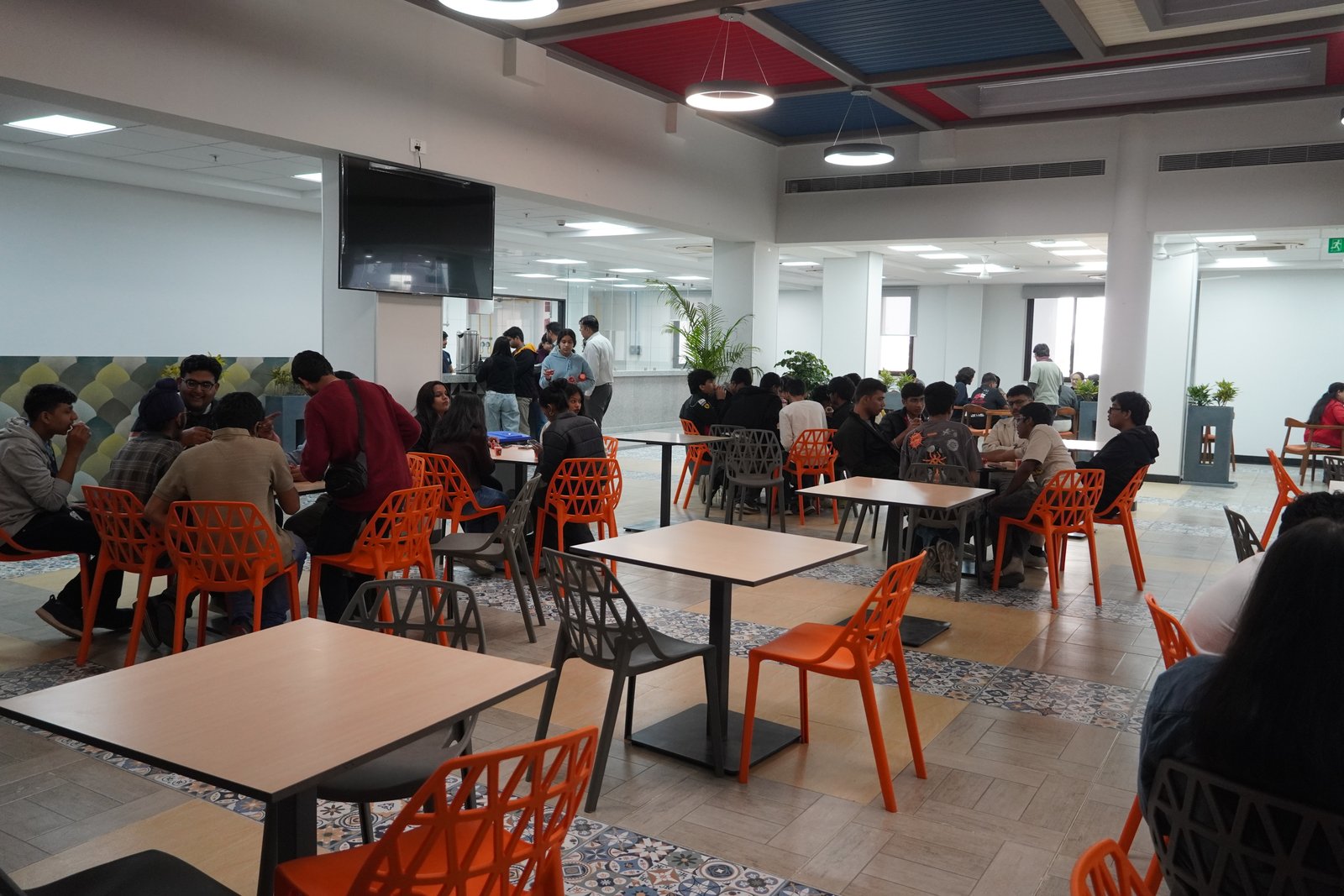
Campus
Campus Life
Industrial hub location

What Makes BSDU Different?

Education that works in the real world.

  • Skills at the Core – High emphasis on hands-on learning in advanced labs, workshops, and real workplaces
  • World-class Infrastructure – Located within the Industrial hub, modern classroom, and excellent laboratory equipment
  • Outstanding Faculty-Student Ratio – Better than 1:10, Small class size (limited to 30 students) to ensure close academic mentoring and supervision
  • Outcome-Driven Competency-Based Education – Clearly defined outcomes and measurable competencies that guide learning, practice, and assessment
  • Industry-Integrated Learning – Structured internships and Occupational practice
  • Global Best Practices – Inspired by internationally proven dual-education systems
  • Entrepreneurship and Innovation Support – Mentorship, Flexibility, and Infrastructure
  • NEP 2020 Aligned – Flexible, multidisciplinary, and mobility-enabled education.

Multiple Exit Options

Need a break? Exit early with Industry-readiness

Every exit is backed by industry-relevant competencies and representative job roles.

Bachelor's Programs
  • Exit after Year 1 → Certificate
  • Exit after Year 2 → Diploma
  • Exit after Year 3 → Bachelor's Degree
  • Exit after Year 4 → BTech/Bachelor's Degree with Honours, as applicable
Master's Programs
  • Exit after Year 1 → PG Diploma
  • Exit after Year 2 → Master's Degree

Designed for Careers of the Future

Future Careers Need Future Skills

Thrive in the world shaped by Emerging Technologies and Innovation:

AI and Automation Smart Manufacturing and Robotics Digital Technologies and Data Renewable Energy and Green Skills

Representative Job Roles

B.Tech Electrical Engineering

Renewable Energy Engineer (Solar/Wind) EV Powertrain Electrical Engineer EV Charging Infrastructure Engineer Power Electronics Engineer Electrical Design Engineer Battery Systems & Energy Storage Engineer Grid Integration & Smart Grid Engineer Electrical Testing & Commissioning Engineer Energy Analyst Energy Management & Efficiency Engineer Operations & Maintenance Engineer Industrial Automation Engineer

B.Tech Curriculum 2026-30

Electrical Engineering (Credit Structure)

Optional specialisation in Renewable Energy Technology or E-Vehicle Technology. Optional Specialisation is completed through specialised Departmental Electives.

  • Engineering Fabrication 4
  • Engineering Maintenance and Troubleshooting 4
  • Engineering Measurements and Machines 3
  • Software Development with Python 4
  • Professional Communication 3
  • Occupational Practice-I 2

  • Applied Electronics 4
  • Electrical Maintenance and Troubleshooting 3
  • Energy, Power, and Actuation Systems 4
  • Computational Data Analysis 4
  • Experimental Sciences 3
  • Occupational Practice-II 2

* Summer Internship (2 Credits)

  • Advanced Electrical Machines 4
  • Power Electronics 4
  • Industrial Automation and Control Systems 4
  • Computational Engineering Analysis-I 4
  • Constitution, Development, and Professional Ethics 3
  • Occupational Practice-III 2

  • Power System 4
  • Embedded and IoT Systems 4
  • Flexi-Core-I: Renewable Energy Technology / EV Powertrain Technology 4
  • Computational Engineering Analysis-II 4
  • Open Elective-I 3
  • Occupational Practice-IV 2

Full Semester Internship (16 Credits)

  • Flexi-Core-II: Renewable Systems Integration and Management / Advanced EV Technology and Management 4
  • DE-I: Building Energy Management / ... 4
  • DE-II 4
  • Open Elective-II 4
  • Open Elective-III 3
  • Occupational Practice-V 3

  • Micro Grid 4
  • DE-III 4
  • DE-IV 4
  • Open Elective-IV 4
  • Open Elective-V 3
  • Occupational Practice-VI 3

Full Semester Internship (16 Credits)

Open Electives can be used to complete the Minor requirements

Fee Structure

Transparent and competitive fee structure with multiple payment options

B.Tech Electrical Engineering

4 Year Undergraduate Program | Annual Fee Structure

Annual Program Fee
₹200,000
Tuition Fee (Per Year)₹150,000
Development Fees₹50,000

Note: Fees are subject to change. The above fee is exclusive of hostel and mess charges. One-time caution money of ₹10,000 (refundable) is applicable at the time of admission. Scholarships are available.